


What are Hand and Foot Warts?
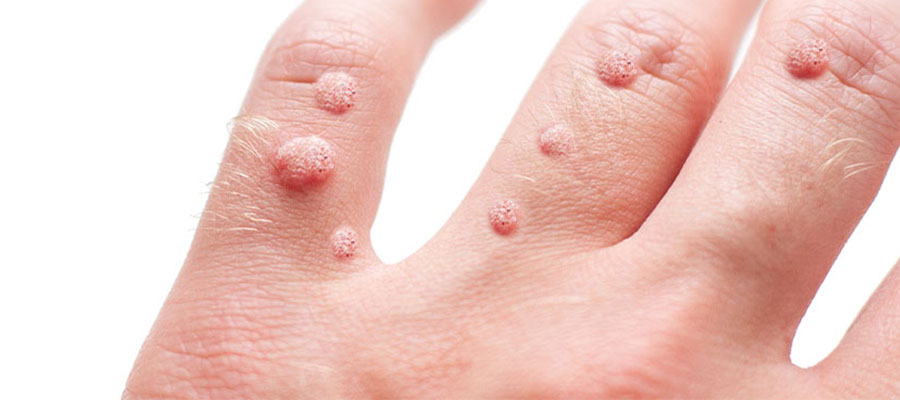
Warts on the hands and feet are contagious skin infections caused by the Human Papilloma Virus (HPV) and appear as raised, hard lesions on the skin. They usually appear on the fingers, palms or soles of the feet. Warts on the hands and feet appear as small, rough blisters on the skin surface and can sometimes be confused with calluses. These warts can spread easily through skin contact or shared objects. The risk of warts is higher in individuals with weakened immune systems. If left untreated, they can remain on the skin for a long time and even spread.
What Causes Hand and Foot Warts?
The main reason for the formation of hand and foot warts is the HPV virus infecting the skin. This virus enters the skin through small cuts, cracks or scratches and causes infection. Shared items such as towels, socks, gloves and shoes can facilitate the spread of the virus. In addition, directly touching the wart and then touching another area can cause the virus to spread. Moist and warm environments such as pools, gyms, public shower areas and locker rooms are suitable places for the virus to spread easily. People with weak immune systems are more likely to develop warts and warts can last longer.
How to Get Rid of Hand and Foot Warts?
Warts on the hands and feet may disappear on their own over time, but this process can take months or even years. Treatment is recommended to ensure that warts heal quickly and prevent them from spreading. One of the most common methods used to get rid of warts is topical (superficial) treatments. Solutions or creams containing salicylic acid, available in pharmacies, can help the wart disappear gradually. In addition, cryotherapy, which freezes the warts and removes them, or laser and electrocautery methods applied by a doctor can also be effective. Trying to pick or cut warts at home is definitely not recommended, as it can cause infection and further spread.
How to Treat Hand and Foot Warts?
There are many different methods that can be applied for wart treatment, and the choice of treatment depends on the size, number of warts, and the person’s general health. In mild cases, medications or tapes containing salicylic acid can be used to shrink the wart over time. For more stubborn warts, cryotherapy (freezing method) is applied, freezing the wart with liquid nitrogen and allowing it to fall off within a few days. If the warts have spread or deepened, electrocautery (burning method) or laser treatment can be applied. Since the risk of warts recurring is higher in individuals with weak immune systems, regular follow-up after treatment is important.
What are the symptoms of hand and foot warts?
Warts on the hands and feet usually appear as small, hard, and rough blisters. They commonly appear on the fingers, palms, soles, and nails. Warts that form on the soles of the feet can often grow inward and cause pain. Small black dots can be seen on the wart, which are clots formed due to blockage of blood vessels. Warts, especially on the feet, can cause discomfort when walking and can harden and feel like a callus. Warts can grow, multiply, and spread to the surrounding skin over time. If warts spread rapidly or become painful, it is necessary to consult a doctor.
Where do hand and foot warts come from?
Warts on hands and feet are contagious skin lesions caused by the Human Papilloma Virus (HPV) and are usually transmitted through direct skin contact or shared objects. Shared towels, socks, gloves, shoes or personal care products can spread warts. Additionally, public areas, swimming pools, bathhouses, gyms, shower areas and locker rooms are the most common places for the wart virus to spread. Walking barefoot in these areas can bring the wart virus into contact with the skin. Biting nails, irritating the skin or touching injured areas can cause the virus to spread more quickly. Warts are more easily transmitted and can remain on the skin for a long time in people with weak immune systems.
Are Hand and Foot Warts Temporary?
Warts on hands and feet can often be temporary, and in some people, warts can disappear on their own when the immune system is strong. However, this process can take months or even years. While warts heal more quickly in some people, warts can persist or spread longer in individuals with weak immune systems. If warts become painful, start to grow, or tend to spread, they should definitely be treated. If left untreated, warts can infect surrounding areas or be passed on to other people. For this reason, it is recommended to intervene with one of the treatment methods instead of waiting for the wart to heal naturally.
How can we protect ourselves from warts?
The most effective way to protect yourself from warts is to prevent the HPV virus from spreading. For this, it is important not to share common objects, not to walk barefoot in pools and gyms, and to pay attention to hygiene rules. Washing your hands and feet regularly can prevent the virus from attaching to your skin. Keeping your immune system strong is an important factor in preventing warts. Eating a balanced diet, getting enough sleep, and avoiding stress help your body fight infections. Avoiding habits such as biting your nails, touching wounded areas, or picking warts can prevent the spread of the virus. In addition, avoiding direct contact with someone who has warts and paying attention to personal hygiene rules will reduce the risk of infection.
Hand and Foot Wart Treatment Prices 2026
In 2026, hand and foot wart treatment prices may vary depending on the method used, the size of the wart, and clinical conditions. Wart treatment solutions and creams sold in pharmacies are among the affordable options and can range from 200 TL to 800 TL. If the wart is more resistant and requires clinical intervention, cryotherapy (freezing), laser treatment, or electrocautery (burning) methods can be applied. The prices of these methods can range from 1,000 TL to 5,000 TL. Prices may vary depending on the number of warts to be treated and the size of the wart. While laser treatment can generally be more expensive, cryotherapy and burning methods can be more affordable. It would be best to consult a dermatologist for the most up-to-date price information.