


What is HPV?
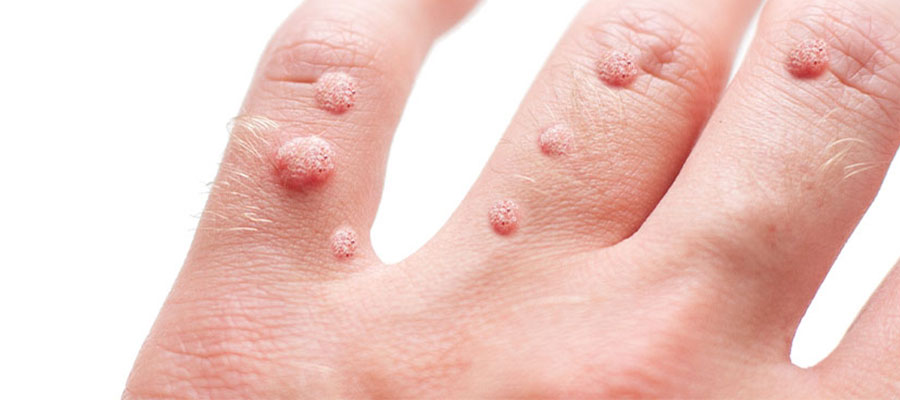
HPV (Human Papilloma Virus) is one of the most common viruses transmitted through skin contact and sexual intercourse. There are more than 200 types of HPV, some of which cause warts on the skin, while others can cause cellular changes that can lead to cancer in areas such as the cervix, anus, mouth and throat. Low-risk HPV types usually cause genital warts, while high-risk types have been associated with various types of cancer, especially cervical cancer. HPV infection often progresses without symptoms and can disappear on its own in people with strong immune systems. However, in some cases, the virus can become permanent in the body and cause serious health problems. The most common way HPV is transmitted is through unprotected sexual intercourse, but it can also be transmitted through skin contact. Therefore, protection methods and regular health check-ups are of great importance in preventing the spread of HPV.
Sexual Life After HPV Treatment
It is necessary to be careful about sexual life after HPV treatment, because the virus can sometimes remain silent in the body and become active again. It is recommended to avoid sexual intercourse until the warts are completely healed during the treatment process, because active lesions can increase the contagiousness of the virus. Using a condom during sexual intercourse after treatment can reduce the risk of transmission, but it does not provide complete protection. The partner of a person who is an HPV carrier can also be infected, so it is important for couples to be checked together and to evaluate protective measures such as the HPV vaccine. Adopting a healthy lifestyle that strengthens the immune system can help keep the virus under control and reduce the risk of recurrence. It is possible to diagnose possible health problems caused by HPV early by having regular gynecological and urological check-ups.
How is HPV Treated?
HPV treatment does not include a method to destroy the virus itself, but it is applied to control the symptoms and effects caused by HPV. In the treatment of genital warts, methods such as cryotherapy (freezing), electrocautery (burning), laser treatment or surgical excision can be used. In addition, in some cases, topical creams prescribed by the doctor can help shrink the warts. If cellular changes due to high-risk HPV types are detected, the doctor may apply procedures such as LEEP or conization to clean the abnormal cells in the cervix. There is no definitive drug treatment that completely eliminates HPV from the body, but nutritional and lifestyle changes that strengthen the immune system can help keep the infection under control. In addition, the HPV vaccine helps prevent infection by providing protection against high-risk types, especially when administered at a young age.
What Should You Pay Attention to After HPV Treatment?
Keeping the immune system strong after HPV treatment is of great importance to reduce the risk of the virus recurring. Eating a balanced diet, exercising regularly, getting enough sleep, and avoiding habits that can weaken the immune system, such as smoking, can support the immune system. In terms of sexual health, protection should be taken until the warts are completely healed and regular doctor check-ups should not be skipped. Evaluating the partner for HPV can also be useful in preventing the risk of possible transmission. If the HPV vaccine has not been administered, a vaccination plan can be made according to the doctor’s recommendation. In addition, women can detect the risk of cervical cancer at an early stage by having regular smear tests. Stress management is also important in the post-HPV period, as the immune system can weaken with stress and cause the virus to reactivate.
Most Common HPV Symptoms
HPV infection usually goes without symptoms, but in some cases, a variety of symptoms can occur. One of the most common symptoms is warts in the genital or anal area. These warts can be skin-colored, raised, or cauliflower-shaped, and can appear alone or in clusters. High-risk types of HPV usually have no symptoms, but over time, they can cause cellular changes that can lead to cervical cancer or other types of cancer. Abnormal cell changes caused by HPV can usually be detected with a Pap smear. Rarely, warts or lesions can appear in the throat, mouth, or tongue, especially in cases of oral HPV. People with HPV infection may sometimes experience symptoms such as itching, burning, or mild irritation, but many people do not realize they have the virus. Therefore, regular health checks are very important for early detection of HPV infection.
How is HPV Testing Done?
The HPV test is a screening test used to detect high-risk HPV types that can cause cervical cancer. This test is performed by examining cell samples taken from the cervix under laboratory conditions. During a gynecological examination, the doctor inserts a tool called a speculum into the vagina to make the cervix visible. Then, using a small brush or spatula, the doctor takes cell samples from the cervix and sends them to the laboratory. The procedure is usually painless and takes a few minutes. In men, if there are warts, a swab sample is taken from the area where the warts are and examined in the laboratory.
How Contagious Is HPV?
HPV is one of the most common sexually transmitted infections and is highly contagious. The vast majority of sexually active individuals will contract HPV at some point in their lives. The virus is transmitted through direct skin-to-skin contact during vaginal, anal, or oral sex. Condom use can reduce the risk of transmission, but it does not provide complete protection because the virus can also be transmitted through skin-to-skin contact. Additionally, since HPV infection usually does not cause symptoms, individuals can transmit the virus to their partners without knowing they are infected.
Who is at Risk?
Anyone who is sexually active is at risk for HPV infection. However, those who have multiple sexual partners, those who started sexual activity at a young age, those with weakened immune systems, and those who have other sexually transmitted infections are at higher risk. Smoking also may increase the risk of HPV infection persisting.
How can its spread be prevented?
There are several effective ways to prevent the spread of HPV. First, the HPV vaccine protects against high-risk HPV types, especially when administered before sexual activity begins. Using a condom reduces the risk of transmission, but it does not provide complete protection. It is also important to limit the number of sexual partners and to have regular health check-ups. Quitting smoking can also strengthen the immune system and reduce the risk of infection.
How Many Sessions Does HPV Need to Be Treated?
There is no specific treatment for HPV itself; treatment is usually directed at the lesions caused by the virus, especially genital warts. The duration and number of sessions of treatment vary depending on the number, size and location of the warts. Small and few warts can usually be treated in a single session, while widespread and large warts may require more than one session. Treatment methods include cryotherapy (freezing), electrocautery (burning), laser therapy and surgical excision. The risk of recurrence should be assessed with regular check-ups after treatment.
HPV Treatment Prices 2026
HPV treatment costs vary depending on the treatment method to be applied, the prevalence of the warts, and the type of healthcare institution performing the treatment. As of 2026, wart treatment prices range from 3,500 TL to 17,000 TL on average. In addition, HPV vaccine prices vary depending on the type of vaccine and the number of doses. For example, the single-dose price of Gardasil 4 vaccine is between 2,500 TL and 3,000 TL, and the total cost of two doses varies between 5,000 TL and 6,000 TL. The single-dose price of Gardasil 9 vaccine is between 3,300 TL and 4,000 TL, and the total cost of three doses varies between 9,900 TL and 12,000 TL. Since prices may vary depending on the healthcare institution and regional differences, it is recommended to contact the relevant healthcare institutions for up-to-date price information before treatment or vaccination.