


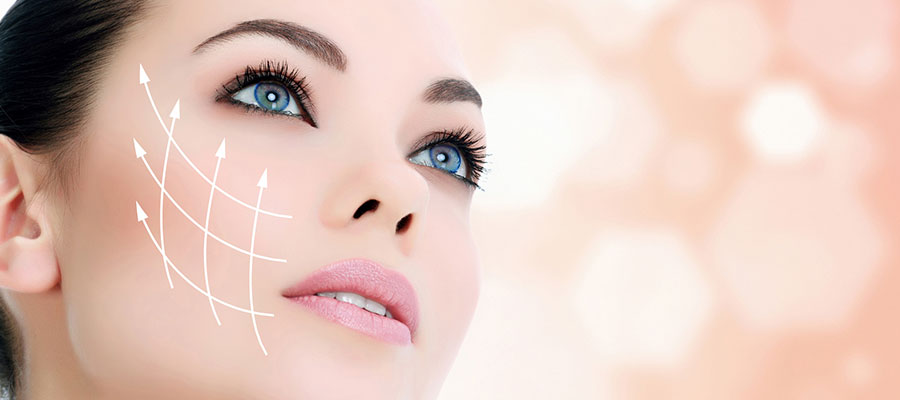
What is Pore Treatment?
Pore treatment is a procedure performed to reduce the visible and widening pores on the skin surface, smooth the skin texture and give it a healthier appearance. Pores on the skin are natural openings that allow sweat and oil to be expelled, but they can become more visible by widening for various reasons. Especially in oily skin types, pores can grow over time due to more sebum production. The width of the pores can be affected by many factors, from genetic factors to aging, from incorrect skin care routines to environmental effects. Pore treatment can be applied with different methods depending on the skin type and the size of the pores. Methods such as laser treatments, chemical peeling, dermapen and medical skin care can be effective in tightening pores and making the skin smoother.
How to Treat Pores?
Pore treatment can be applied with different methods depending on the person’s skin type and pore width. First, a dermatologist or specialist aesthetician determines the most appropriate treatment method by performing a skin analysis. Chemical peeling helps deep cleansing of pores and skin renewal. Laser treatments affect the lower layers of the skin, increasing collagen production and tightening pores. Dermapen or microneedling method helps the skin renew itself by opening micro channels on the skin surface and allows pores to shrink over time. Applications such as carbon peeling and hydrofacial cleanse the skin and help pores to be free of excess oil and dirt. The treatment process varies depending on the method used, but is usually applied in several sessions and should be supported by regular care.
Treatment for Wide Pore Areas
Treatment of enlarged pores includes procedures performed to shrink enlarged pores and provide a smoother appearance to the skin. These treatments include methods such as chemical peeling, laser applications, microneedling (dermapen) and mesotherapy. Laser pore treatment stimulates collagen production under the skin, tightens the pores and gives the skin a younger appearance. Chemical peeling helps shrink pores by cleaning dead cells on the skin surface. Microneedling treatment allows the skin to renew itself by creating controlled micro-wounds on the skin surface and thus helps pores to shrink over time. Mesotherapy supports tightening of pores and strengthening of skin tissue by injecting nutritious ingredients such as vitamins, minerals and hyaluronic acid into the skin. Pore treatment is usually applied in several sessions and regular skin care increases the permanence of the treatment.
What are the causes of pore enlargement?
Enlarged pores can occur due to many different factors. One of the most common causes is the skin producing too much oil. In people with oily skin, pores can enlarge as they release sebum and become more visible over time. Genetic factors also play a significant role in pore size; some people are born with larger pores. The aging process can cause the skin to lose elasticity and enlarge pores. Inadequate cleansing of the skin and the accumulation of dead skin cells can cause pores to become clogged, making them appear larger. The harmful UV rays of the sun can cause collagen loss in the skin, causing pores to enlarge. In addition, using the wrong cosmetic products, leaving heavy makeup on the skin for a long time, and not moisturizing the skin enough can also contribute to the appearance of pores.
What Applications Are Used to Tighten Pores?
There are many different professional skin care applications for pore tightening. Laser treatments increase collagen production by affecting the lower layers of the skin and tighten pores. Carbon peeling cleans dirt and dead cells on the skin surface, making pores appear smaller. The micro-needling (dermapen) method is an effective treatment that tightens pores by helping the skin renew itself. Chemical peeling applications make pores less visible by peeling and renewing the upper layer of the skin. Mesotherapy helps strengthen skin tissue and shrink pores by injecting vitamins and hyaluronic acid into the skin. Regular skin care plays an important role in the pore tightening process. Toners, clay masks and peeling products containing AHA/BHA used at home can also help shrink pores. Combining professional applications with regular skin care will help pores appear tighter and skin smoother in the long run.
What are the methods used in treatment?
The methods used in pore treatment vary according to the person’s skin type, pore width and degree of skin problems. One of the most commonly used methods is chemical peeling, which helps to shrink pores by peeling the upper layer of the skin. Laser treatments, especially fractional laser or carbon peeling, stimulate the lower layers of the skin, increase collagen production and tighten pores. Micro-needling (dermapen) treatment helps the skin renew itself and shrink pores by opening controlled micro channels on the skin surface. Mesotherapy strengthens the skin structure by injecting hyaluronic acid, vitamins and minerals under the skin and makes pores less visible. Medical skin care and deep cleaning procedures with chemical solutions containing AHA/BHA are also among the frequently preferred methods in pore treatment.
How Long Does Pore Treatment Last?
The duration of pore treatment varies depending on the method chosen and the person’s skin structure. Single-session medical skin treatments and procedures such as carbon peeling last an average of 30-45 minutes and create an immediate sense of renewal on the skin. Chemical peeling and micro-needling procedures are usually completed in 30-60 minutes. Laser pore treatment takes 20-40 minutes per session, while several sessions may be required to achieve the best results. Most treatment methods are applied in 3 to 6 sessions, and sessions are usually performed 2-4 weeks apart. It is necessary to wait for the treatment process to be completed and the skin renewal cycle to be completed in order to see full results.
What is the Best Pore Treatment?
The best pore treatment varies depending on the person’s skin type and pore size. For people with mild pore enlargement, chemical peels or medical skin care may be sufficient. For more pronounced pore problems, laser treatments and micro-needling (dermapen) provide more effective results. Fractional laser is a highly successful method for tightening pores and renewing skin texture by acting on the deeper layers of the skin. Carbon peeling is especially suitable for oily skin types and deeply cleans and tightens pores. Injection treatments such as mesotherapy and PRP (platelet rich plasma) can help improve skin quality and shrink pores over time. The best treatment method should be determined after an evaluation by a dermatologist.
Pore Treatment Prices 2026
Pore treatment prices vary depending on the method applied, the number of sessions, the technologies used, and the location of the clinic. As of 2026, medical skin care and chemical peeling procedures in Türkiye range from 1000-3000 TL per session on average. Laser pore treatment prices may vary between 3000-8000 TL depending on the type of laser used. Procedures such as micro-needling (dermapen) and mesotherapy are priced between 2000-6000 TL, while methods such as PRP treatment can range between 4000-9000 TL per session. Since more than one session is usually required for pore treatment, the package prices offered by clinics may be more affordable. It is recommended to get price quotes from different clinics and consult a specialist to determine the best price and treatment option.